Day: April 1, 2026

Aluminum Decor Ideas From Akbari Glass & AluminumAluminum Decor Ideas From Akbari Glass & Aluminum

Modern architecture and interior design have changed dramatically over the last few decades. Homeowners, architects, and business owners are constantly searching for materials that are stylish, durable, and affordable.
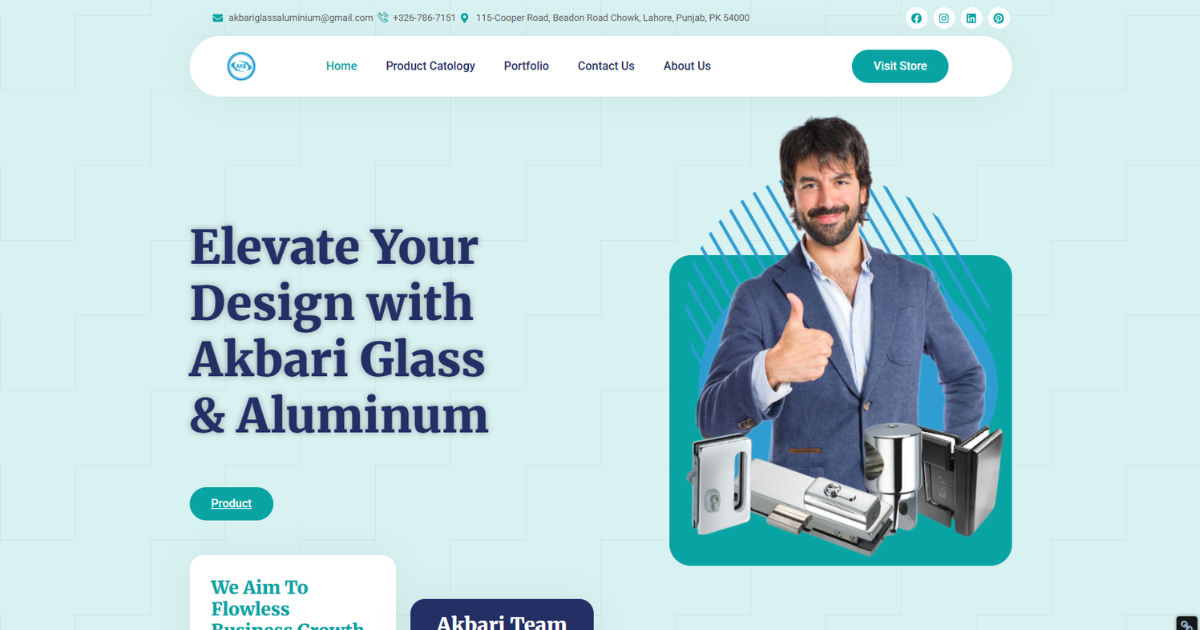
Aluminum has quickly become one of the most popular materials used in modern décor because of its versatility, sleek appearance, and long-lasting performance.

When people think about modern aluminum decoration, they often look for innovative ideas that combine beauty with functionality.

This is where Akbari Glass & Aluminum aluminum decor stands out. The brand is known for creative aluminum design solutions that transform ordinary spaces into stylish environments.

From modern home interiors to commercial building exteriors, aluminum décor offers countless possibilities. It can be used for wall panels, partitions, ceilings, furniture accents, and decorative architectural features.

With the right design approach, aluminum can create a modern, elegant, and highly durable decorative environment.

This comprehensive guide explores the best aluminum décor ideas inspired by Akbari Glass & Aluminum aluminum decor.

It explains how aluminum can enhance interior design, exterior architecture, and commercial spaces while maintaining durability and modern aesthetics.


Why Aluminum Is a Popular Material in Modern Decor

Aluminum has become one of the most widely used materials in modern construction and interior decoration. Its popularity is not accidental. It offers several advantages that make it perfect for decorative applications.

Lightweight Yet Strong

Aluminum is much lighter than steel and many other construction materials. Despite its light weight, it remains extremely strong and durable. This makes it ideal for decorative structures that need stability without adding excessive weight to buildings.

Many designers choose Akbari Glass & Aluminum aluminum decor solutions because aluminum provides strength while maintaining flexibility in design.

Corrosion Resistance

Another major advantage of aluminum is its resistance to rust and corrosion. Unlike iron or steel, aluminum does not easily rust when exposed to moisture. This makes it suitable for both indoor and outdoor décor applications.

Decorative elements from Akbari Glass & Aluminum aluminum decor can maintain their beauty for many years without requiring heavy maintenance.

Modern and Elegant Appearance

Aluminum naturally has a sleek and modern appearance. It can also be polished, brushed, anodized, or powder-coated to achieve different textures and colors.

These finishing options allow designers to create unique designs using Akbari Glass & Aluminum aluminum decor that match modern architectural styles.

Eco-Friendly Material

Aluminum is also considered an environmentally friendly material. It can be recycled repeatedly without losing its quality. This makes it an excellent choice for sustainable construction and decoration.


Aluminum Decor for Modern Home Interiors

Home interiors have evolved significantly in recent years. Many homeowners prefer minimalist designs that are clean, stylish, and practical. Aluminum décor fits perfectly into this trend.

Aluminum Wall Panels

One of the most popular ideas from Akbari Glass & Aluminum aluminum decor is the use of aluminum wall panels.

These panels can be used to create feature walls in living rooms, bedrooms, and offices. They provide a modern and sophisticated look that instantly upgrades any space.

Aluminum wall panels are available in many finishes, including:

  • Brushed aluminum

  • Textured aluminum

  • Powder-coated colors

  • Metallic finishes

Because of their durability, wall panels from Akbari Glass & Aluminum aluminum decor remain attractive for many years without fading or cracking.

Decorative Aluminum Room Dividers

Open-plan living spaces are very popular in modern homes. However, many homeowners still want subtle separation between areas such as the living room, dining area, or workspace.

Decorative aluminum partitions are an excellent solution.

Laser-cut aluminum panels can create beautiful geometric or artistic patterns. These patterns allow light to pass through while still creating visual separation.

Using Akbari Glass & Aluminum aluminum decor, designers can create custom partitions that enhance both style and functionality.

Aluminum Ceiling Designs

Ceilings are often overlooked in interior decoration, but they offer great opportunities for creative design.

Aluminum ceiling panels can add depth and texture to a room. They are often used in:

  • Modern living rooms

  • Office spaces

  • Luxury kitchens

  • Commercial interiors

Ceiling designs inspired by Akbari Glass & Aluminum aluminum decor often include layered panels, metallic finishes, and integrated lighting systems.

These features create a modern and elegant atmosphere.


Aluminum Decor for Exterior Architecture

Aluminum is not only suitable for interior design. It is also widely used in building exteriors due to its durability and weather resistance.

Aluminum Cladding for Building Facades

Facade cladding is one of the most common exterior uses of aluminum.

Aluminum cladding panels protect the building structure while also enhancing the overall appearance. Many modern buildings use aluminum facades because they create a sleek and contemporary design.

Architectural designs using Akbari Glass & Aluminum aluminum decor often include stylish cladding systems that improve both appearance and performance.

Decorative Aluminum Balconies

Balconies are an important part of residential and commercial buildings. Aluminum railings and decorative panels can significantly improve the visual appeal of balconies.

Decorative balcony designs from Akbari Glass & Aluminum aluminum decor often feature:

  • Laser-cut patterns

  • Modern geometric designs

  • Powder-coated finishes

  • Minimalist railing styles

These designs add elegance while ensuring durability.

Aluminum Entrance Gates and Screens

The entrance of a property creates the first impression for visitors. Aluminum gates and screens offer a modern and stylish solution.

Custom designs using Akbari Glass & Aluminum aluminum decor can include artistic patterns, sleek lines, and modern metallic finishes.

These gates not only look attractive but also provide security and long-lasting performance.


Aluminum Decor Ideas for Commercial Spaces

Commercial spaces such as offices, shopping centers, and restaurants require decorative solutions that combine style and durability.

Aluminum décor is widely used in commercial interiors because it is strong, lightweight, and easy to maintain.

Aluminum Office Partitions

Modern offices often use open layouts that encourage collaboration. However, some areas still require privacy.

Aluminum partitions from Akbari Glass & Aluminum aluminum decor provide an excellent solution. They can be combined with glass panels to create modern office divisions.

This combination allows natural light to flow through the office while maintaining a professional appearance.

Aluminum Reception Desks and Accents

The reception area is the first place visitors see when they enter a business.

Decorative aluminum accents can enhance reception desks, walls, and signage. Designs inspired by Akbari Glass & Aluminum aluminum decor often feature sleek metallic finishes that create a modern corporate atmosphere.

Aluminum Signage and Branding Elements

Businesses often use aluminum for signage because it is durable and visually appealing.

Custom signage made with Akbari Glass & Aluminum aluminum decor can include illuminated letters, brushed metal logos, and modern design elements.

These signs are commonly used in offices, retail stores, and commercial buildings.


Creative Aluminum Furniture and Decorative Pieces

Aluminum is not limited to walls and architectural structures. It can also be used to create stylish furniture and decorative accessories.

Aluminum Decorative Shelves

Floating aluminum shelves are becoming increasingly popular in modern homes.

They are lightweight, durable, and visually appealing. Designs using Akbari Glass & Aluminum aluminum decor often combine aluminum frames with glass or wood panels for a balanced aesthetic.

Aluminum Coffee Tables

Modern coffee tables often feature aluminum frames because they provide strength while maintaining a sleek appearance.

Furniture designers working with Akbari Glass & Aluminum aluminum decor create tables that combine aluminum with materials such as glass, marble, or wood.

This combination produces stylish and contemporary furniture pieces.

Aluminum Lighting Fixtures

Lighting fixtures made from aluminum are also gaining popularity.

Aluminum can be shaped into unique forms, allowing designers to create artistic pendant lights, wall lamps, and chandeliers.

Decorative lighting designed with Akbari Glass & Aluminum aluminum decor adds both functionality and artistic beauty to interior spaces.


Aluminum Decor Trends in Modern Architecture

Design trends change constantly, but aluminum continues to remain a key material in modern architecture.

Minimalist Metallic Designs

Minimalism has become a major design trend. Clean lines, simple forms, and neutral colors dominate modern interiors.

Aluminum fits perfectly into this style because of its sleek and polished appearance.

Designers often rely on Akbari Glass & Aluminum aluminum decor to achieve minimalist architectural aesthetics.

Laser-Cut Aluminum Art Panels

Laser cutting technology has opened new possibilities for decorative aluminum panels.

These panels can feature intricate patterns, artistic shapes, and custom designs. Many interior designers use Akbari Glass & Aluminum aluminum decor panels as wall art or room dividers.

Mixed Material Designs

Another growing trend is combining aluminum with other materials such as:

  • Glass

  • Wood

  • Stone

  • Concrete

These combinations create unique visual contrasts while maintaining structural strength.

Designs using Akbari Glass & Aluminum aluminum decor often blend multiple materials to produce modern architectural statements.


Maintenance Tips for Aluminum Decor

One of the biggest advantages of aluminum décor is that it requires very little maintenance. However, proper care can help maintain its appearance for many years.

Regular Cleaning

Aluminum surfaces should be cleaned periodically using mild soap and water. This removes dust and dirt that may accumulate over time.

Decorative installations from Akbari Glass & Aluminum aluminum decor usually require only simple cleaning to maintain their shine.

Avoid Harsh Chemicals

Strong chemicals or abrasive cleaning materials can damage aluminum finishes. It is best to use soft cloths and gentle cleaning solutions.

Periodic Inspection

Exterior aluminum structures should be inspected occasionally to ensure that mounting systems and connections remain secure.

Following these simple maintenance steps will keep Akbari Glass & Aluminum aluminum decor installations looking attractive for years.


Why Choose Professional Aluminum Decor Services

Although aluminum décor offers many benefits, professional installation is essential for achieving the best results.

Experienced aluminum specialists understand how to design, fabricate, and install aluminum elements properly.

Professionals working with Akbari Glass & Aluminum aluminum decor often provide customized solutions that match the specific needs of each project.

They can design decorative elements for homes, offices, commercial buildings, and architectural projects.

Professional services ensure proper installation, structural stability, and long-lasting decorative performance.


Conclusion

Aluminum décor has become an important part of modern architecture and interior design. Its lightweight structure, corrosion resistance, sleek appearance, and design flexibility make it one of the most versatile materials available today.

From stylish interior wall panels to impressive building facades, aluminum offers endless creative possibilities. Homeowners, architects, and business owners continue to explore new ways to incorporate aluminum into decorative designs.

The innovative concepts offered through Akbari Glass & Aluminum aluminum decor demonstrate how aluminum can transform both residential and commercial spaces. Whether it is decorative partitions, architectural facades, modern furniture, or artistic lighting fixtures, aluminum provides a perfect balance of beauty and durability.

As modern architecture continues to evolve, aluminum décor will remain an essential design element. Creative professionals and property owners alike can benefit from the versatility and elegance of aluminum design solutions.

Choosing high-quality aluminum décor from experienced providers such as Akbari Glass & Aluminum aluminum decor ensures that decorative installations not only look impressive but also stand the test of time.

With proper design, professional installation, and minimal maintenance, aluminum décor can significantly enhance the appearance and functionality of any space.

Find Interested Online Gaming’s Concealed Data EconomyFind Interested Online Gaming’s Concealed Data Economy

The traditional story of online play focuses on the player versus the domiciliate. However, a more curious and ecosystem thrives in the shadows: the multi-billion data brokerage market that fuels player attainment and retention. This article investigates the undercover trade in of behavioural data, where every tick, bet size, and time-of-day login is commoditized, thought-provoking the simplistic view of gaming as a mere game of . We will dissect the sophisticated data pipelines that superpowe Bodoni iGaming, revelation an industry where the most worthy wins are not at the tables, but in the spreadsheets of data analysts.

The Data Harvest: Beyond Registration Forms

Player value is no thirster sounded alone by lifetime deposits. A 2024 forensic audit by Griffin Analytics revealed that a mid-tier online casino’s first-party activity data treasure trove was valuable at 173 of its yearbook gross play tax revenue by external marketing firms. This valuation stems from the intricate profiling of micro-behaviors. Every session is a data gold mine, trailing far more than wins and losings. Operators and their third-party partners construct hyper-granular profiles, predicting exposure and involution Windows with creepy preciseness, transforming amateur action into a persistent optimisation stupefy.

  • Precision Timing Data: Algorithms log the demand milliseconds of falter before a spin, correlating this with describe poise and Recent loss patterns to trigger off personal incentive offers.
  • Device and Connection Telemetry: Data brokers aggregate entropy on device type, IP address fluctuations, and even stamp battery percentage, using this to understand participant placement stableness and session longevity.
  • Cross-Platform Behavioral Leakage: Through divided publicizing IDs and syncing, koitoto operators can buy in data indicating a user’s Holocene epoch jaunt bookings or luxury goods browsing, sign financial capacity.
  • Emotional State Proxies: Keystroke kinetics and pussyfoot movement speed up during the posit work are analyzed as proxies for stress or importunity, ratting customer subscribe interference strategies.

Case Study 1: The Latent Value in Dormant Accounts

OperaPrime Casino two-faced a indispensable problem: a of 2.1 jillio to the full proved but sleeping accounts(no login in 18 months). Conventional remarketing had unsuccessful. Their interference involved partnering with a specialiser data firm,”NexusAudit,” which practical a three-phase methodological analysis. First, they performed a historical psychoanalysis of each describe’s final examination 100 betting events, creating a”playprint” of game orientation, adventure decompose, and time-of-day patterns. Second, they cross-referenced these playprints with current high-value player segments at active equal casinos, using data purchased on the nigrify-market ad exchange. Third, they sculptural which sleeping profiles showed fresh correlativity with currently profit-making activity clusters.

The quantified result was astounding. By merchandising anonymized clusters of these”sleeping” profiles to target competitors, OperaPrime generated 4.7 zillion in pure data tax revenue. Furthermore, they reactivated 12 of the list by crafting hyper-specific reactivation offers mirroring the boffo patterns base at touch sites, generating an extra 1.9 zillion in net tax income. This case contemplate proves that in the curious data economy, a player who generates zero orthodox revenue can still be a highly moneymaking asset.

Case Study 2: Geo-Fencing and Predictive Locational Targeting

“BetSphere” sought-after to dominate the new regulated commercialize in”Nordalia.” The trouble was a saturated integer ad space with skyrocketing cost-per-acquisition. Their original interference bypassed orthodox ads entirely. They used a proprietorship methodology combining real-time sports data feeds with coarse-grained mobile locating data. When a topical anaestheti Nordalian football game team scored a last-minute successful goal, BetSphere’s system of rules straightaway treated a geo-fence around the bowl and all associated sports bars within a 5km spoke.

The system of rules then delivered push notifications via partnered non-gambling apps, offering a free bet”to keep the win.” The technical foul execution relied on pre-negotiated data-sharing agreements with brave out, travel, and food deliverance apps to identify users in the place zone. The result was a 314 higher conversion rate compared to standard sportsbook ads. Over a 1 temper, this manoeuvre accounted for 23 of all new, high-value depositing players, with a 40 lower attainment cost, demonstrating the world power of desegregation gambling offers into real-world emotional events.

The Regulatory Gray Zone and Future Implications

This hidden data thriftiness operates in a substantial regulatory gray zone. While GDPR and similar laws rule hard-core personal data, the trade of anonymized or pseudonymized behavioral clusters often falls outside exacting supervising. A 2024

3 Things Everyone Knows About TOP QUALITY ONLINE GAMBLING That You Don’t3 Things Everyone Knows About TOP QUALITY ONLINE GAMBLING That You Don’t

I can just imagine how sports enthusiasts ramble on atlanta divorce attorneys game of the NCAA or NBA, even to the point of dishing out a romantic date for a pastime or for a boys’ particular date in front of the television with a sumptuous pizza and few beers accessible ratuslot. We cannot blame such scenarios; basketball is really a boy’s world after all.

But is it nearly the fun, pleasure, and the adrenaline rush that keep them from rushing over for a pastime? Definitely not, I am certain there exists a lot going on between them – it must be the betting! Free online sports betting are now a regular thing for just about any sports buff. Sports betting, mind you, give you an awesome chance to win over some cash in an instant game. And it is not just a few bucks or so; some bettors do lay out hundreds for a single game, so when they win expect a two-fold of this bet. Sounds like easy money?

Let me share you some of the free online sports betting strategies for the NCAA and NBA games.

-It is easy money when you understand that free online sports betting needs more than luck and chance but a betting system that will help you find your way into winning those bets back. Some betting system advices are served online for any bettor to obtain hold of when one is really thinking about conquering the betting system.

-Sport betting is approximately money management. Of course, you should not bet more than what you can chew. Remember that whilst you have the best betting system at hand, there’s still a minor risk in losing the game.

-Get your homework done and check the betting odds. Know your betting chances on which team on what game. Read info on the sets of game you intend to bet on and understand the environment for your betting team.

-Do not bet or gamble while you are under the influence of alcohol because it surely clouds any clear and valid judgment. Same with casinos, playing while drinking alcohol beats your likelihood of having a sound judgment on the game.

-One of the most significant free online sports betting tips is to shop for numbers. Take for example in NCAA and NBA games, there are numerous lines at different sports books, whilst for the NFL similar numbers could be bought at most betting shops. So obtain the best line as your priority in any betting game.

Betting your hard-earned money may well be worth it or you might end up feeling sick after the ball game. So, while you have confidence in luck and chance, it can help in the event that you follow these free online sports betting tips I’ve nailed down for each sports buff. Remember it is better to maximize your resources when you know you have the proper weapon in every fight.

The Neuroaesthetics Of Gleeful Play InterfacesThe Neuroaesthetics Of Gleeful Play Interfaces

The pursuit of joy in online gaming is often misattributed only to winning. A deeper, more nuanced depth psychology reveals that the most unsounded and property joy is engineered through intellectual interface neuroaesthetics the debate plan of digital environments to trip specific, prescribed neurologic and emotional responses. This perspective shifts focalise from business outcome to experiential immersion, disceptation that the zenith of player gratification is achieved through a smooth, cognitively profitable interaction with the weapons platform itself, mugwump of game lead. Leading operators are investing millions in biometric search and emotional computing to map the joy reply, creating spaces where aesthetics, useableness, and psychological flow converge. This clause deconstructs this hi-tech subtopic, moving beyond generic wine incentive talk to explore the microscopic pixels and protocols that make up integer delight koitoto.

The Dopaminergic Architecture of Digital Play

Joy in digital spaces is not unintended; it is architected. The modern font online casino user interface is a with kid gloves calibrated Intropin rescue system. Every visual and audile cue is engineered to cater small-rewards that sustain engagement. The substantial”ching” of coins, the vibrant cascade of a victorious symbolization invigoration, and the tangible-like feedback of a well-designed button weight-lift are all non-monetary reinforcements. A 2024 meditate by the Digital Behavior Lab found that players uncovered to high-fidelity audiovisual aid feedback rumored a 73 high”enjoyment make” even during net-loss Sessions, compared to those using stripped-down, usefulness interfaces. This statistic fundamentally challenges the manufacture’s fixation with Return to Player(RTP) percentages as the sole metric of value, suggesting empirical RTP Return on Pleasurable Time is evenly vital.

Case Study: Aurora Casino’s Haptic Feedback Overhaul

Aurora Casino, a mid-tier European operator, long-faced undynamic player seance times despite militant odds. Their interface was functionally vocalize but clinically uncreative. The intervention was a full-scale haptic and ocular feedback pass, codenamed”Project Lumina.” The methodological analysis mired A B testing with biometric monitoring. Group A used the master copy interface. Group B used a new edition where every fundamental interaction triggered a subtle, context-aware response: spinning a reel produced a pacify, heavy vibe mimicking a physical prise pull; a incentive set off unleashed a full-screen, particle-effect invigoration synced with a ascent tonal surmount.

The team employed galvanic skin reply(GSR) and facial nerve verbal expression depth psychology to measure little-joy moments. The quantified outcomes were astonishing. The Group B cohort showed a 142 step-up in average out session length. Crucially, their posit relative frequency rose by 28 without any transfer to bonus structures, and negative feedback on”game paleness” born by 41, indicating that the enriched experience fostered a more formal overall sensing. Player surveys revealed quarrel like”captivating,””smooth,” and”fun” replaced early descriptors like”slow” or”basic.” Aurora’s case proves joy can be a place, mensurable KPI.

The Psychology of Effortless Flow

A core dogma of gleeful design is the riddance of friction. Cognitive load the unhealthy elbow grease needful to sail is the of flow. The most joyful platforms produce an camouflaged user interface, where purpose translates outright to process. This requires:

  • Predictive Personalization: Algorithms that rise up preferred games before the user searches, reduction fatigue.
  • Zero-Lag Wallet Integration: One-click funding and withdrawal processes that filch away commercial enterprise transaction anxiety.
  • Contextual Help: Unobtrusive, animated tooltips that explain features within the game canvass, not in separate windows.
  • Ambient Narrative: Light melody storytelling through background art and medicine that builds a cohesive, attractive world.

Recent 2024 data from a John Major weapons platform provider indicates that for every 0.1-second reduction in user interface latency, participant retention at the 30-day mark increases by 1.2. Furthermore, platforms implementing high-tech prophetic menus saw a 35 reduction in player during the”browsing” stage, straight translating foiling into focused play. The statistics underscore that joy is often the petit mal epilepsy of vexation; unlined functionality is itself a unsounded pleasance author.

Case Study: VegaStack’s”Cognitive Load Audit”

VegaStack, a B2B software package provider, noticed client operators reported high enrollment but low first-deposit changeover. Their possibility was that the joy of find was being killed by a unmanageable onboarding process. The intervention was a”Cognitive Load Audit” of the first-time user journey. Using eye-tracking and seance recording software program, they known”rage points”: puzzling bonus toggle

how are women artisans sustainable?how are women artisans sustainable?

In today’s world, sustainability is more than a trend—it’s a necessity. Women artisans, through their creative practices, have emerged as key contributors to sustainable economies and environmentally friendly craftsmanship.

Their dedication to eco-conscious production, community support, and ethical labor makes them pioneers of sustainable living. In this guide, we will explore how women artisans are sustainable, the methods they use, the impact on communities, and the broader implications for global environmental health.

This comprehensive exploration also ties into initiatives like sheth jeebun in home elderly care, which highlight how localized, mindful approaches in various sectors create positive social and environmental change.

Sustainability among women artisans is multifaceted. It incorporates environmental stewardship, social equity, and economic resilience. By combining traditional craftsmanship with modern eco-friendly practices, women artisans create products that are not only beautiful but also responsible. These practices often reflect a deep understanding of local ecosystems, resource management, and cultural preservation.

The Essence of Sustainability in Artisanal Work

Sustainability for women artisans is more than using green materials—it’s a philosophy of production that balances social, economic, and environmental considerations. It entails:

  1. Environmental Responsibility: Choosing materials and methods that minimize harm to the environment.
  2. Economic Sustainability: Ensuring that their work provides a stable income for themselves and their communities.
  3. Cultural Preservation: Maintaining traditional techniques while adapting to contemporary demands.
  4. Social Impact: Empowering communities through skill development and fair labor practices.

Women artisans often work with natural fibers, plant-based dyes, recycled metals, and other renewable materials. They repurpose what might otherwise be discarded, turning it into valuable, usable products. These practices not only reduce waste but also encourage mindful consumption among buyers.

Eco-Friendly Material Choices

A cornerstone of sustainable artisanal work is the materials women choose. Many artisans prefer natural, biodegradable, or recycled inputs. Here’s how they do it:

Natural Fibers

Women artisans often work with cotton, hemp, jute, bamboo, silk, and wool. These fibers are renewable and biodegradable, reducing the environmental impact compared to synthetic materials. Organic cotton, for example, eliminates harmful pesticides and chemical fertilizers, promoting soil health.

Plant-Based Dyes

Traditional dyes made from flowers, leaves, roots, and bark are regaining popularity among women artisans. Plant-based dyes are low-impact, non-toxic, and biodegradable. They allow artisans to produce vibrant colors without relying on chemical dyes that can pollute water sources.

Upcycling and Recycling

Sustainability is not just about natural materials. Many women artisans repurpose discarded items, such as old fabrics, broken jewelry, or scrap metals, turning waste into artistic treasures. This approach reduces landfill waste and encourages a circular economy.

Local Sourcing

Sourcing raw materials locally is another practice that reduces carbon footprints. By relying on nearby resources, women artisans cut down on transportation emissions and support local economies simultaneously.

Techniques That Promote Sustainability

Beyond materials, the techniques women artisans use contribute to sustainability. Traditional handcraft methods tend to be less resource-intensive than industrial production.

Handloom Weaving

Handloom weaving consumes significantly less energy than machine-based textile production. Women artisans producing handwoven fabrics create intricate designs with minimal electricity use, demonstrating that sustainability and craftsmanship can coexist.

Slow Crafting

The “slow craft” movement emphasizes quality over quantity. Women artisans invest time in creating each piece, ensuring durability and timeless appeal. Slow crafting reduces the demand for mass-produced goods, thereby minimizing waste and environmental strain.

Low-Waste Production

Many women artisans follow zero-waste principles, designing products that make full use of materials and produce minimal offcuts. Even scraps are often reused creatively, such as turning fabric remnants into patchwork or accessories.

Natural Preservation Techniques

Some artisans use eco-friendly methods to treat, preserve, or finish their products. For example, vegetable oils and natural waxes can protect wooden or leather items without the need for harmful chemicals.

Women Artisans and Community Sustainability

Sustainability is not only environmental—it’s social. Women artisans contribute to sustainable communities by creating economic opportunities and promoting social equity.

Economic Empowerment

By running small businesses, cooperatives, or cottage industries, women artisans generate income for themselves and their families. This financial stability enhances their communities, reduces poverty, and promotes gender equality.

Skill Development

Women artisans often train younger generations in traditional crafts, ensuring that skills are preserved. This intergenerational knowledge transfer strengthens community identity and sustains local economies.

Fair Trade Practices

Many women artisans participate in fair trade networks, which guarantee ethical wages, safe working conditions, and equitable treatment. Fair trade ensures that sustainability includes human welfare, not just environmental concerns.

Supporting Local Ecosystems

Women artisans often source materials responsibly, supporting local agriculture, forestry, or fishing communities. This creates a holistic model of sustainability where both the environment and human communities thrive together.

Intersection of Sustainability and Health

Sustainability among women artisans also extends to health and wellbeing. Using non-toxic materials, avoiding harmful chemicals, and prioritizing ergonomic practices ensure that artisans themselves remain healthy while working.

Organizations like sheth jeebun in home elderly care demonstrate similar principles in health-focused services—prioritizing personalized, eco-conscious care in communities. This reflects the broader ethos of sustainability: caring for people while protecting the environment.

Economic Models for Sustainable Artisanry

Women artisans often rely on business models that reinforce sustainability:

Cooperative Models

Cooperatives allow women to pool resources, share risks, and access larger markets. They foster community resilience and reduce dependence on exploitative middlemen.

Social Enterprises

Some artisans operate social enterprises, reinvesting profits into community projects, education, or environmental initiatives. These models blend profit motives with social and ecological responsibility.

Direct-to-Consumer Sales

Selling directly through online platforms or local markets minimizes intermediaries, reduces packaging waste, and increases profit margins for artisans. Direct sales also educate consumers about sustainability practices and ethical sourcing.

Environmental Impact of Artisan Work

Women artisans, by prioritizing sustainable practices, have a measurable positive impact on the environment:

  1. Reduced Carbon Footprint: Handcrafting and local sourcing reduce reliance on fossil fuels.
  2. Lower Water Usage: Traditional dyeing and natural fibers consume less water than industrial alternatives.
  3. Waste Reduction: Upcycling and zero-waste methods minimize landfill contributions.
  4. Biodiversity Preservation: Ethical sourcing from forests and farms ensures that ecosystems are not overexploited.

Case Studies of Sustainable Women Artisans

Textile Artisans in India

Women weavers in rural India produce handwoven textiles using organic cotton and natural dyes. Their slow-crafting methods conserve energy, while cooperatives ensure fair compensation.

Jewelry Makers in Africa

Women jewelers in parts of Africa recycle metals from electronic waste to create new pieces. This reduces mining demand and prevents toxic materials from contaminating the environment.

Ceramicists in Latin America

Female ceramicists in Latin America use locally sourced clay and natural glazes. Their low-temperature firing techniques consume less fuel, and their products are durable, reducing consumption frequency.

Challenges to Sustainability

Despite their efforts, women artisans face challenges in achieving full sustainability:

  1. Limited Access to Resources: High-quality natural materials can be expensive or scarce.
  2. Market Competition: Mass-produced, cheap alternatives often undercut artisan products.
  3. Knowledge Gaps: Some artisans lack training in eco-friendly techniques or certification processes.
  4. Infrastructure Issues: Limited access to electricity, water, or transportation can hinder sustainable production.

Addressing these challenges requires policy support, consumer awareness, and collaboration between NGOs, governments, and social enterprises.

The Role of Consumers in Supporting Sustainability

Sustainability is a shared responsibility. Consumers can support women artisans by:

  • Choosing handmade, ethically sourced products.
  • Being willing to pay a fair price for high-quality, sustainable goods.
  • Learning about the origin of materials and production methods.
  • Sharing artisan stories to increase visibility and demand.

By making conscious purchasing decisions, consumers reinforce sustainable practices and empower women artisans.

Technology and Innovation in Sustainable Artisanry

Technology can enhance sustainability without compromising craftsmanship:

  • Digital Marketplaces: Platforms allow artisans to reach global consumers, reducing the need for physical intermediaries.
  • Eco-Innovation: Tools for low-energy dyeing, biodegradable packaging, and efficient material use improve sustainability.
  • Education Platforms: Online courses teach artisans sustainable techniques, business management, and fair trade principles.

How Women Artisans Inspire Broader Sustainability Movements

Women artisans serve as role models in sustainability:

  • Their practices demonstrate that economic growth can coexist with environmental stewardship.
  • They show that cultural preservation is compatible with innovation.
  • Their community-oriented approach highlights the importance of social sustainability.

In many ways, initiatives like sheth jeebun in home elderly care mirror this philosophy, emphasizing holistic care, environmental mindfulness, and community wellbeing.

Future Prospects for Sustainable Artisanry

The future of sustainable women artisans is promising:

  • Growing consumer awareness is creating higher demand for ethical products.
  • Policy frameworks supporting fair trade, eco-labeling, and rural entrepreneurship enhance viability.
  • Collaborations between NGOs, government, and private sectors are expanding resources and markets.
  • Technology integration allows for more efficient and environmentally conscious production.

If supported appropriately, women artisans can continue to thrive as both cultural custodians and sustainability champions.

Conclusion

Women artisans exemplify sustainability through thoughtful material use, environmentally conscious techniques, community empowerment, and ethical business models. They demonstrate that sustainable production is not only possible but also profitable, socially beneficial, and culturally enriching. From eco-friendly textiles to recycled jewelry, these artisans reduce environmental impact while supporting their communities.

By purchasing artisan products, supporting fair trade, and spreading awareness, consumers can amplify the positive impact of sustainable women artisans. Just as sheth jeebun in home elderly care emphasizes holistic, community-centered approaches in care services, women artisans showcase the power of integrating sustainability, social responsibility, and tradition in everyday life.

In essence, women artisans are not just creators—they are agents of change, merging art, sustainability, and community development. Their work inspires a broader societal shift toward mindful consumption, environmental stewardship, and social equity, demonstrating that every handmade product carries a story, a purpose, and a positive impact.