
Exploring the World of Chinese Teas: How to Buy the Best QualityExploring the World of Chinese Teas: How to Buy the Best Quality
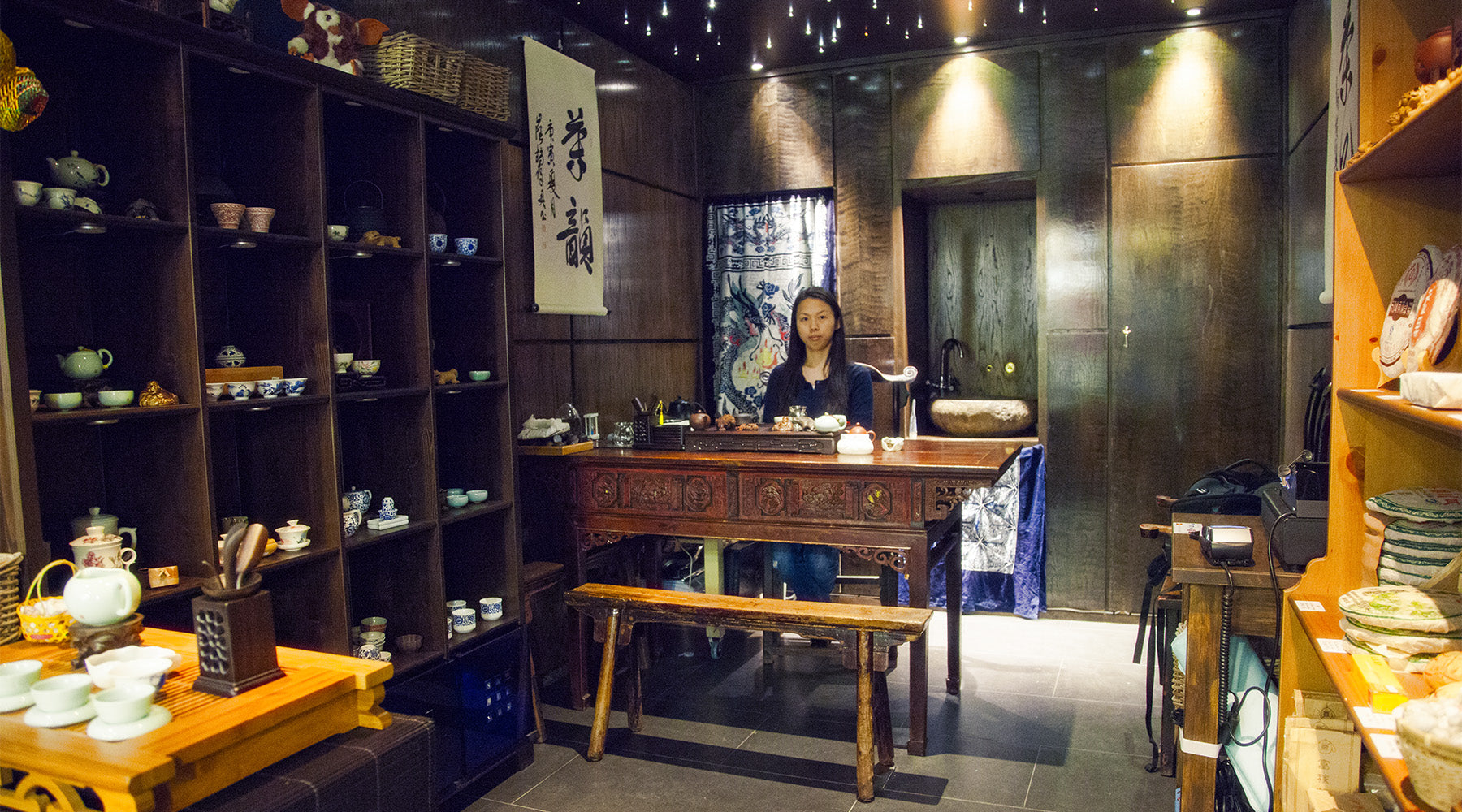
Chinese tea culture, with its rich history spanning thousands of years, is an integral part of China's heritage. Renowned for its health benefits, complex flavors, and intricate preparation methods, Chinese tea has buy Chinese teas gained immense popularity worldwide. Whether you're a seasoned tea enthusiast or a curious beginner, this guide will help you navigate the fascinating world of Chinese teas and make informed purchasing decisions.
Understanding Chinese Tea Categories
Chinese teas are categorized based on their processing methods and oxidation levels. The six primary categories are:
-
Green Tea: Unoxidized and minimally processed, green tea retains its natural color and fresh flavor. It is known for its light, grassy taste and numerous health benefits, including antioxidants that help fight free radicals.
-
Black Tea (Hong Cha): Fully oxidized, black tea has a rich, robust flavor and dark color. It is the most commonly consumed tea worldwide and is known for its bold taste and higher caffeine content compared to other Chinese teas.
-
Oolong Tea (Wulong Cha): Partially oxidized, oolong tea falls between green and black tea in terms of flavor and oxidation. It boasts a diverse range of flavors, from floral and fruity to woody and roasted, depending on the level of oxidation.
-
White Tea: Minimally processed and often made from young tea buds and leaves, white tea has a delicate, subtle flavor. It is known for its light, sweet taste and high antioxidant content.
-
Pu-erh Tea: Aged and fermented, Pu-erh tea develops a deep, earthy flavor over time. It is often compressed into cakes or bricks and is prized for its medicinal properties and unique taste profile.
-
Yellow Tea: Rare and similar to green tea in processing, yellow tea undergoes an additional step called "sealed yellowing," which gives it a mellow, smooth flavor. It is less astringent than green tea and has a subtle sweetness.
Factors to Consider When Buying Chinese Teas
When buying Chinese teas, several factors can influence your choice and ensure you get the best quality:
-
Origin and Terroir: The region where the tea is grown significantly impacts its flavor profile. Famous tea-producing regions in China include Fujian, Yunnan, Zhejiang, and Anhui. Each region has its unique climate, soil, and elevation, contributing to the distinctive characteristics of the teas produced there.
-
Harvest Time: The time of harvest affects the quality and flavor of the tea. Spring-harvested teas (First Flush) are often considered the best, offering fresh, vibrant flavors. Summer and autumn harvests can also produce excellent teas but may have different flavor profiles.
-
Processing Method: The processing method can vary even within the same tea category. For instance, green tea can be pan-fired, steamed, or sun-dried, each method imparting distinct flavors and aromas. Understanding these methods can help you choose a tea that suits your taste preferences.
-
Appearance and Aroma: High-quality Chinese tea should have vibrant, intact leaves with minimal stems and dust. The aroma should be fresh and fragrant, indicating good storage and handling practices.
-
Price and Authenticity: While higher prices often correlate with better quality, it's essential to ensure authenticity. Buy from reputable sellers or specialized tea shops that provide detailed information about the tea's origin, processing, and tasting notes.
Popular Chinese Teas to Try
Here are some iconic Chinese teas that are worth exploring:
-
Longjing (Dragon Well) Green Tea: Hailing from Hangzhou, Zhejiang, Longjing is one of China's most famous green teas. It has a flat, sword-shaped appearance and offers a fresh, nutty flavor with a lingering sweet aftertaste.
-
Tie Guan Yin (Iron Goddess of Mercy) Oolong Tea: Originating from Fujian, this oolong tea is known for its floral aroma, smooth texture, and complex flavors ranging from creamy and floral to toasty and fruity.
-
Dian Hong (Yunnan Red) Black Tea: Produced in Yunnan, Dian Hong is a premium black tea with golden tips. It has a rich, malty flavor with hints of chocolate and a sweet finish.
-
Bai Hao Yin Zhen (Silver Needle) White Tea: This exquisite white tea from Fujian consists of tender, silvery buds. It has a delicate, sweet flavor with a hint of floral notes and a refreshing, clean finish.
-
Sheng Pu-erh (Raw Pu-erh) Tea: Raw Pu-erh from Yunnan is known for its aging potential. When young, it has a bold, astringent taste, but as it ages, it develops a complex, mellow flavor with earthy and woody undertones.
-
Huangshan Mao Feng Yellow Tea: Grown in the mountains of Anhui, this yellow tea is prized for its needle-like leaves and gentle yellow infusion. It offers a smooth, sweet taste with a subtle floral fragrance.
Tips for Brewing Chinese Teas
To fully appreciate the flavors and aromas of Chinese teas, proper brewing techniques are essential. Here are some general tips:
-
Use Fresh, Filtered Water: The quality of water affects the taste of the tea. Use fresh, filtered water to avoid any unwanted flavors.
-
Control Water Temperature: Different teas require different water temperatures. Green and white teas should be brewed at lower temperatures (70-80°C or 158-176°F), while oolong and black teas can be brewed at higher temperatures (85-95°C or 185-203°F).
-
Measure the Right Amount of Tea: Typically, use 1-2 grams of tea per 100ml of water. Adjust the amount according to your taste preference.
-
Short Steeping Times: Chinese teas are often brewed with short, multiple infusions. Start with a short steeping time (30 seconds to 1 minute) and gradually increase with each subsequent infusion.
-
Use Appropriate Teaware: Traditional Chinese teaware, such as gaiwans and Yixing clay teapots, can enhance the brewing experience and the tea's flavor. However, a simple glass or porcelain teapot can also work well.
Where to Buy Chinese Teas
Finding high-quality Chinese teas can be challenging, but here are some reliable sources:
-
Specialty Tea Shops: Local specialty tea shops often carry a curated selection of Chinese teas. The staff can provide expert advice and help you choose teas that suit your taste.
-
Online Retailers: Numerous online retailers specialize in Chinese teas, offering a wide variety of options. Reputable websites often provide detailed descriptions, customer reviews, and sometimes even sourcing information.
-
Direct from Producers: Some tea farms and producers sell their teas directly to consumers. This option can ensure freshness and authenticity, but it may require some research to find reputable sources.
-
Tea Festivals and Events: Tea festivals and events are excellent opportunities to sample and purchase Chinese teas. You can interact with vendors, attend tastings, and learn more about different teas.
Conclusion
Chinese tea offers a rich tapestry of flavors, aromas, and cultural significance. By understanding the different categories, factors influencing quality, and proper brewing techniques, you can make informed decisions when buying Chinese teas. Whether you're seeking the refreshing taste of green tea, the complex flavors of oolong, or the unique experience of Pu-erh, the world of Chinese tea has something to offer every palate. Embrace the journey, explore various teas, and enjoy the timeless tradition of Chinese tea culture.