
Why Paper Trading Is Essential Before Starting Forex Futures TradingWhy Paper Trading Is Essential Before Starting Forex Futures Trading
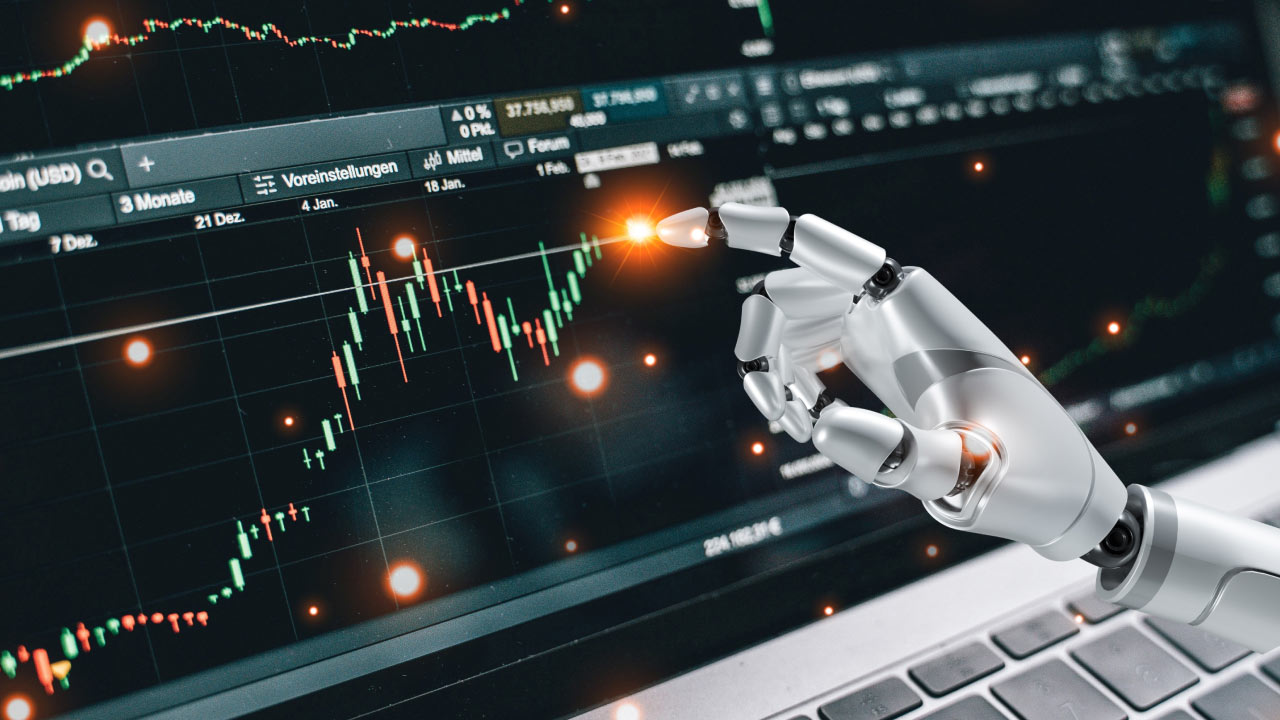
Forex futures trading offers exciting opportunities for traders to profit from currency price movements with leverage and flexibility. However, it also involves significant risks due to market volatility and the complexity of futures contracts. For those new to this arena, paper trading provides a crucial stepping stone. This article explains why paper trading is essential before starting live forex futures trading, how it benefits traders, and tips for making the most of this practice.
Understanding Paper Trading
Paper trading is a simulated trading process where traders practice buying and selling financial instruments without risking real money. It’s sometimes called simulated or demo trading. The practice mimics live market conditions using virtual funds, allowing traders to execute orders, monitor positions, and track gains or losses as if trading live, but without the financial risk.
In forex futures trading, where contracts represent agreements to buy or sell currency pairs at a future date, understanding contract specifications, leverage, and margin requirements is vital. Paper trading offers beginners a risk-free environment to grasp these concepts and get hands-on experience.
Why Paper Trading Matters Before Starting Forex Futures Trading
1. Learn Market Mechanics and Order Execution
Forex futures trading differs from spot forex trading in contract sizes, expiry dates, and settlement procedures. For beginners, it’s crucial to understand how futures contracts work and how orders are executed. Paper trading allows traders to familiarize themselves with market order types, stop-loss, limit orders, and the process of entering and exiting positions without financial pressure.
2. Develop Trading Strategies Safely
The best way to succeed in forex futures trading is to develop and test reliable trading strategies. Paper trading lets traders try different approaches, such as trend-following, breakout trading, or scalping, and observe their effectiveness over time. It helps identify which strategies suit the trader’s style and market conditions before risking real money.
3. Understand the Impact of Leverage and Margin
Forex futures are highly leveraged products, meaning traders can control large positions with relatively small capital. While leverage magnifies profits, it also increases risk and potential losses. Paper trading helps traders understand how margin requirements work and how leverage impacts their account balance, helping prevent costly mistakes when moving to live trading.
4. Build Emotional Discipline and Confidence
Trading with real money can be stressful, often causing emotional reactions like fear and greed that lead to poor decisions. Paper trading removes the emotional burden of risking capital, enabling traders to focus on learning and executing their plans with discipline. This practice builds confidence and mental resilience, which are vital for long-term success in live forex futures trading.
5. Identify Platform Features and Tools
Trading platforms for forex futures often have unique features, tools, and interfaces. Paper trading gives beginners time to get comfortable with charting tools, technical indicators, and order management systems on their chosen platform. This familiarity ensures smoother and more efficient live trading sessions.
How to Make the Most of Paper Trading for Forex Futures
- Treat It Seriously: Even though no real money is involved, approach paper trading with the same discipline as live trading. Set clear goals, follow your trading plan, and record your trades for review.
- Simulate Real Conditions: Try to trade during regular market hours and use realistic position sizes and risk limits to get a true sense of live trading dynamics.
- Analyze Performance: Regularly review your trades to understand what works and what doesn’t. Adjust your strategies based on data and lessons learned.
- Transition Gradually: Once confident, start live trading with small positions to manage risk while gaining real-market experience.
Limitations of Paper Trading
While paper trading is invaluable, it has some limitations:
- Lack of Emotional Pressure: Trading virtual money doesn’t fully replicate the psychological challenges of risking real capital.
- Execution Differences: Some demo platforms may not capture real market liquidity issues, slippage, or order execution delays.
- Overconfidence Risk: Success in paper trading doesn’t guarantee live trading profitability but provides a strong foundation.
Conclusion
For aspiring forex futures traders, paper trading is an indispensable tool that offers a safe and practical way to learn market mechanics, test strategies, and build confidence. It bridges the gap between theory and live trading, helping beginners avoid costly mistakes and prepare mentally and technically for real-market challenges.
Starting with paper trading allows traders to understand the nuances of forex futures trading, including leverage, margin, and order execution, in a risk-free environment. While it’s not a perfect substitute for live trading, its benefits far outweigh the risks of entering the market unprepared.
If you’re serious about succeeding in forex futures trading, dedicating time to paper trading before risking real capital is a wise and essential step toward becoming a confident and profitable trader.