Author: Millermarker

How To Stay Safe While Performin Online SlotsHow To Stay Safe While Performin Online Slots

Online slot gaming can be a fun and exciting undergo, but it 39;s requisite to stay safe while performin. In this article, we 39;ll ply tips on how to protect yourself and ensure a procure play . Adam789. 1. Choose Licensed and Regulated Casinos

Always play at online casinos that are accredited and regulated by established government. These casinos are needed to watch over exacting surety protocols to protect your subjective and fiscal information.

2. Use Strong Passwords

When creating an report at an online gambling casino, use a warm, unique password. Avoid using well guessable selective information, such as birthdays or names, and consider using a word manager to keep your login inside information procure.

3. Be Cautious with Personal Information

Never partake in your subjective selective information, such as your full name, turn to, or commercial enterprise inside information, with other players or third parties. Legitimate online casinos will never ask for spiritualist selective information via netmail or chat.

4. Monitor Your Account Activity

Regularly check your report activity to see that there are no wildcat transactions. If you notice any untrusting natural process, contact the casino 39;s customer support right away.

5. Set Limits

To protect yourself from undue gaming, set limits on your deposits, bets, and playtime. Many online casinos volunteer responsible for gaming tools that allow you to set these limits and take breaks when requisite.

Conclusion

By following these safety tips, you can your online slot gaming undergo without worrying about security risks. Stay watchful, play responsibly, and have fun spinning the reels

The Ultimate Guide to Diamonds: Everything You Need to KnowThe Ultimate Guide to Diamonds: Everything You Need to Know

Diamonds are one of the most valuable and sought-after gemstones in the world. Known for their brilliance, hardness, and timeless beauty, diamonds have been symbols of love, luxury, and wealth for centuries. Whether you are buying a diamond for an engagement ring, investment, or personal collection, understanding the essential factors about diamonds is crucial.

The Formation and Composition of Diamonds

Diamonds are formed deep within the Earth's mantle under extreme heat and pressure. Composed entirely of carbon atoms, diamonds have a unique crystal structure that makes them the hardest known natural material. These gemstones take millions to billions of years to form, making them one of the rarest and most precious natural wonders.

The Four Cs of Diamonds

When purchasing a diamond, experts evaluate it based on the Four Cs: Carat, Cut, Color, and Clarity.

1. Carat: Measuring a Diamond's Weight

The carat weight of a cvd diamond tester refers to its size and mass. One carat is equal to 0.2 grams. Larger diamonds are more valuable due to their rarity, but two diamonds of the same carat weight can have vastly different values depending on their cut, color, and clarity.

2. Cut: The Key to Sparkle and Brilliance

The cut of a diamond determines how well it reflects light. A well-cut diamond will appear more brilliant and fiery, enhancing its overall appeal. The most popular diamond cuts include:

  • Round Brilliant – The most popular and sparkly cut.

  • Princess Cut – A square cut with sharp edges.

  • Cushion Cut – A vintage-inspired cut with rounded corners.

  • Emerald Cut – A rectangular cut with step-like facets.

  • Oval, Marquise, and Pear Cuts – Unique cuts that elongate the finger.

3. Color: Evaluating a Diamond's Hue

Diamonds are graded on a color scale from D (colorless) to Z (light yellow or brown). The closer a diamond is to being colorless, the higher its value. Fancy-colored diamonds, such as blue, pink, and yellow diamonds, are highly valuable due to their rarity.

4. Clarity: Assessing Internal and External Flaws

Clarity refers to the imperfections (inclusions) and blemishes in a diamond. The clarity grading scale ranges from Flawless (FL) to Included (I3). The fewer the inclusions, the more valuable the diamond.

Types of Diamonds

There are different types of diamonds available in the market, each with its unique properties and appeal:

1. Natural Diamonds

These are diamonds formed naturally within the Earth over millions of years. They are the most valuable and sought-after diamonds due to their rarity and authenticity.

2. Lab-Grown Diamonds

Lab-created diamonds have the same chemical and physical properties as natural diamonds but are grown in a controlled laboratory environment. They are more affordable and environmentally friendly than mined diamonds.

3. Treated Diamonds

Some diamonds undergo treatments to enhance their appearance, such as laser drilling to remove inclusions or high-temperature treatments to improve color.

4. Fancy Color Diamonds

Rare colored diamonds, such as blue, pink, and green diamonds, are prized for their unique hues and are often more valuable than traditional white diamonds.

How to Buy the Perfect Diamond

Buying a diamond requires careful consideration of various factors. Here are key tips to help you make an informed purchase:

  1. Set a Budget – Determine how much you’re willing to spend and prioritize the Four Cs accordingly.

  2. Choose the Right Cut – The cut has the most impact on the diamond’s sparkle and brilliance.

  3. Opt for a Certified Diamond – Always buy diamonds that come with certification from GIA (Gemological Institute of America) or AGS (American Gem Society).

  4. Compare Prices – Research different jewelers and online stores to find the best deal.

  5. Understand Diamond Settings – The type of ring setting can enhance the beauty of a diamond. Popular settings include prong, bezel, halo, and pave settings.

Investing in Diamonds

Diamonds can be a solid investment due to their rarity and lasting value. However, before investing, consider:

  • Market Trends – Understand the demand and pricing trends in the diamond industry.

  • Certified and High-Quality Diamonds – Only invest in diamonds with high clarity, cut, and certification.

  • Storage and Insurance – Protect your investment by ensuring proper storage and insurance coverage.

Famous Diamonds in History

Throughout history, several diamonds have gained worldwide recognition for their size, beauty, and mysterious origins. Some of the most famous diamonds include:

  • The Hope Diamond – A rare blue diamond with a history of legends and curses.

  • The Cullinan Diamond – The largest rough diamond ever discovered, cut into multiple pieces for British crown jewels.

  • The Koh-i-Noor Diamond – A legendary diamond with a controversial history, now part of the British Crown Jewels.

  • The Pink Star Diamond – One of the most expensive pink diamonds ever sold at auction.

Caring for Your Diamond

To maintain a diamond’s beauty and brilliance, proper care is essential:

  • Regular Cleaning – Use a gentle cleaning solution or have it professionally cleaned.

  • Safe Storage – Store diamonds separately to avoid scratches.

  • Avoid Harsh Chemicals – Remove diamond jewelry when using strong detergents or chemicals.

  • Routine Inspections – Have your diamond jewelry checked by a professional jeweler to ensure prongs and settings remain secure.

Conclusion

Diamonds are more than just stunning gemstones; they are symbols of elegance, love, and wealth. Whether purchasing a diamond for an engagement ring, investment, or collection, understanding the Four Cs, different types of diamonds, and proper care techniques is essential. By making an informed decision, you can ensure you acquire a diamond that holds both beauty and value for a lifetime.

Jersey Design: The Intersection of Tradition, Technology, and StyleJersey Design: The Intersection of Tradition, Technology, and Style

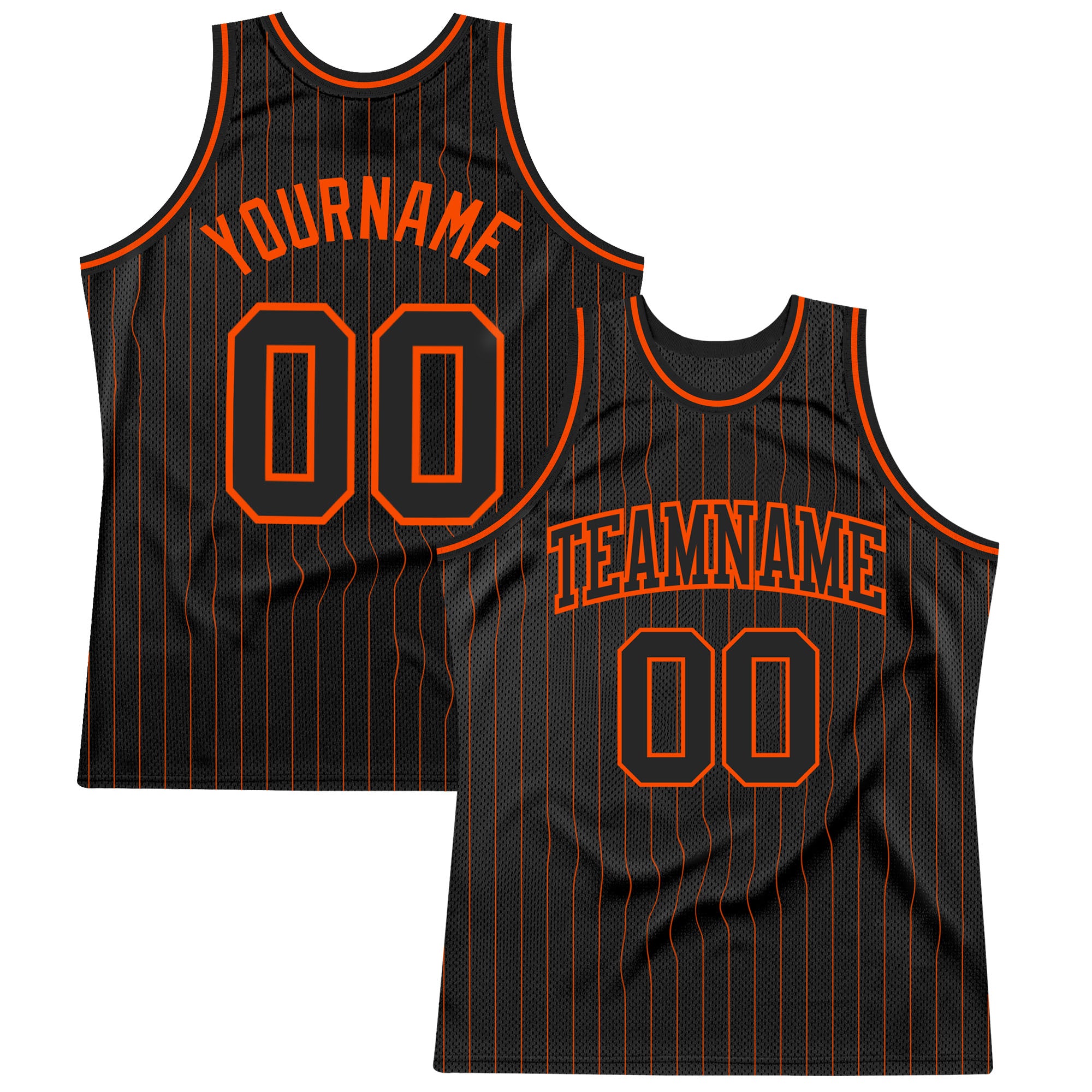
Jersey design is more than just a functional aspect of sportswear—it's a dynamic blend of tradition, technology, and personal expression. From humble beginnings as simple uniforms for athletes to the multi-faceted pieces of clothing they are today, jerseys have evolved into powerful symbols of identity, pride, and fashion. Whether worn on the field, at a game, or as a piece of streetwear, jerseys have transcended their practical purposes and are now cherished as essential cultural artifacts in sports and fashion.

The Evolution of Jerseys: From Practical Uniforms to Iconic Designs

The history of jersey design begins in the late 19th century when sports uniforms were a basic necessity. Early jerseys were made from wool or cotton and were designed purely for practicality. Their simple nature, often with no more than a number and a solid color, was intended for utility rather than aesthetics.

Over time, as sports gained popularity, especially with the rise of professional leagues, the need for more distinct and recognizable designs grew. Jerseys became not only a functional part of the athlete's attire but also a key element of team branding and identity. The introduction of color, patterns, and team logos turned jerseys into more than just uniforms—they became emblems of pride and community.

Modern Jersey Design: Balancing Functionality and Fashion

In today's world, jersey design is a sophisticated process that combines elements of performance, aesthetics, and cultural significance. While the core function remains to facilitate optimal performance, design considerations have grown to reflect the diverse needs of athletes, fans, and brands.

  1. Performance-Driven Design At its core, a jersey is designed to enhance an athlete’s performance. The fabric and fit must allow for unrestricted movement, while also keeping the athlete cool, dry, and comfortable. Modern jerseys are crafted from advanced materials such as polyester blends, Lycra, and spandex, which are lightweight, breathable, and moisture-wicking.

    These fabrics ensure athletes can maintain peak performance without being hindered by their clothing. For instance, mesh panels are often integrated into the design to increase airflow and reduce overheating during intense physical activity. This attention to fabric and material technology is critical in ensuring that jerseys remain functional under the stress of competitive sports.

  2. Aesthetic and Brand Representation The aesthetic aspect of jersey design has gained more prominence in recent decades. Jerseys are now seen as a way for teams and organizations to communicate their identity to the public. The colors, patterns, and logos on a jersey are all carefully chosen to represent the team's culture, history, and values. For example, the iconic red and black jerseys of the Chicago Bulls have become synonymous with the team's legacy and the larger-than-life persona of Michael Jordan.

    Beyond team identity, jersey designs often incorporate sponsor logos, which are strategically placed for maximum visibility. In professional sports, sponsorship deals are crucial sources of revenue, and the placement of logos must balance branding without detracting from the jersey’s overall aesthetic.

  3. Fashion Influence: From Field to Street Jersey design has also seen a significant crossover into the world of fashion. Once reserved for athletes, jerseys have become a staple of streetwear, influencing everyday clothing and trends. The global popularity of sports culture, especially basketball and soccer, has led to jerseys being worn outside of sports settings—on the streets, at concerts, and even as casual office wear.

    Fashion designers have embraced the aesthetic of jerseys, often incorporating sportswear influences into their collections. The bold patterns, oversized fits, and vibrant colors that are characteristic of jerseys are now sought-after styles for everyday wear. This shift has further blurred the lines between function and fashion, making jerseys not only practical but also a trendy and coveted item.

Key Elements of Jersey Design

The process of designing a modern jersey involves several elements that must work in harmony to create a visually appealing and functional product. The following key components are considered by designers when creating a new jersey:

  1. Color Scheme and Symbolism Colors are one of the most recognizable and influential elements in 球隊波衫 . The colors chosen for a team’s kit often reflect its ethos and history. For example, the deep green of the Boston Celtics symbolizes growth and energy, while the blue of the New York Yankees conveys stability and loyalty.

    Colors can also evoke specific emotions. Red is often associated with passion and power, while yellow signifies optimism and creativity. Designers carefully choose colors to ensure that the jersey not only looks good but also conveys the right message to fans.

  2. Logos and Graphics The logo of a team or brand is one of the most important aspects of jersey design. Logos are a symbol of identity and are usually placed on the chest or sleeve for maximum visibility. In addition to team logos, jerseys also feature sponsor logos, which are integrated into the design without overwhelming the main elements.

    Graphic design elements such as stripes, geometric patterns, or custom designs are also frequently used to add flair and uniqueness to a jersey. These elements might reference the team’s city or heritage, creating a deeper connection with fans and players alike.

  3. Typography and Numbering Typography plays a key role in jersey design. The font used for player names and numbers must be clear, legible, and align with the overall aesthetic of the design. The placement of the name and number is equally important. Typically, the player’s name is placed on the back, while their number is featured both on the front and back of the jersey.

    The design of the numbers and letters often ties into the team’s overall branding and logo. For example, some teams choose bold, futuristic fonts for a modern look, while others opt for traditional, classic typefaces to evoke a sense of history.

  4. Fit and Cut The fit of a jersey is essential for both performance and comfort. Sports jerseys are typically designed with a more fitted cut to ensure that they do not restrict movement, while also remaining sleek and aerodynamic. The jersey must allow athletes to perform at their best without distraction, but also be comfortable enough for fans to wear during leisure time.

    In terms of fan jerseys, the fit can vary. Many brands offer jerseys in various cuts, from slim-fit to oversized, allowing fans to choose based on personal style preferences. The versatility of modern jersey designs has helped them transcend sports settings and become casual fashion items.

Innovations Shaping the Future of Jersey Design

The future of jersey design is undoubtedly exciting, with several trends and technological advancements that are reshaping the way jerseys are conceived, produced, and worn:

  1. Sustainable Practices Sustainability has become a top priority in many industries, and the world of jersey design is no exception. As fans and consumers grow increasingly eco-conscious, many sportswear brands are turning to sustainable fabrics and production methods. Recycled polyester, organic cotton, and other environmentally friendly materials are now being used to create jerseys that are both functional and eco-friendly.

  2. Smart Jerseys The incorporation of technology into jersey design is another area of growth. Smart fabrics that can monitor an athlete’s performance—such as heart rate, body temperature, and muscle activity—are becoming more common. These wearable technologies provide real-time feedback, allowing athletes and coaches to adjust training and performance in more precise ways.

  3. Customization and Personalization As fans increasingly seek ways to express their individuality, customization has become a major trend in jersey design. Fans can now easily personalize jerseys with player names, numbers, and even unique designs. This customization trend extends to the growing demand for one-of-a-kind, limited-edition jerseys that allow fans to connect with their teams in a more personal way.

  4. Interactive and Augmented Reality The future of jersey design could also involve the integration of augmented reality (AR) or interactive elements. Fans might be able to scan a jersey with a smartphone app to access exclusive content, such as player stats, historical moments, or live game feeds. These technological innovations could further enhance the experience of wearing or collecting a jersey.

Conclusion

Jersey design has evolved from its origins as a simple piece of sportswear to a complex fusion of fashion, technology, and identity. Today’s jerseys are symbols of passion and pride, representing teams, players, and communities across the globe. With advances in fabric technology, design aesthetics, and fan-driven customization, the future of jersey design looks brighter than ever. As both performance gear and streetwear staples, jerseys will continue to evolve, reflecting the changing landscape of sports, culture, and personal style.

Private Detective Services in Hong Kong: Uncovering Truth with ExpertisePrivate Detective Services in Hong Kong: Uncovering Truth with Expertise

In today's fast-paced world, where privacy and confidentiality are paramount, 跟蹤 services have become an essential resource for individuals and businesses alike. Hong Kong Professional Investigations, a reputable private detective agency, has earned its stellar reputation through over 20 years of experience in the industry. Specializing in both personal and corporate investigations, this agency provides reliable, confidential, and expert services to clients across Hong Kong and mainland China.

Their professional team, comprising highly trained investigators from diverse backgrounds—ranging from law enforcement to financial and IT specialists—ensures thorough, discreet, and effective investigative solutions. With services that include personal investigations, asset searches, marital inquiries, commercial surveillance, and even cross-border investigations, clients can rely on their expertise to uncover crucial information.

The agency's commitment to client confidentiality and its transparent pricing structure further solidify its reputation as a trusted name in the industry. Whether you need assistance with a personal matter or require corporate investigations, Hong Kong Professional Investigations offers tailored solutions with high success rates and integrity.

The Growing Trend of Self-Storage: Flexibility and Convenience for Today’s LifestylesThe Growing Trend of Self-Storage: Flexibility and Convenience for Today’s Lifestyles

In an age where minimalism and maximizing space are becoming more crucial, the self-storage industry has seen significant growth. The need for extra space is a common challenge faced by individuals and businesses alike, and self-storage has emerged as a practical and flexible solution to address this demand. Whether it's clearing out clutter or needing temporary storage during a move, self-storage offers convenience, affordability, and peace of mind.

What is Self-Storage?

Self-storage is a service that allows individuals and businesses to rent a secure, private space to store their belongings. These storage units are typically found in large facilities that provide a range of sizes, from small lockers to large garage-sized units, to accommodate varying needs. Customers are given access to their storage units, with most facilities offering 24/7 access, meaning that renters can retrieve their stored items whenever necessary.

Key Benefits of Self-Storage

As the demand for storage solutions rises, people are turning to self-storage for several practical reasons:

1. Adaptability for Various Needs

Self-storage units are incredibly adaptable and serve a wide range of purposes. They’re not just for decluttering homes or businesses; people use them for a variety of unique reasons. Whether it's storing items during a renovation, keeping a collection of seasonal goods, or securing personal possessions during a life change, self-storage can meet all these needs and more.

2. Simplifying Life Transitions

Moving homes, starting a new job, or going through a divorce can be stressful, and managing your belongings during these times adds an extra layer of complexity. Self-storage offers a temporary solution for storing your possessions while you transition. This flexibility allows individuals to take their time to organize, plan, and make decisions about what to keep, sell, or donate without the immediate pressure of needing to sort everything out quickly.

3. Business Efficiency

For businesses, self-storage units provide an affordable and efficient way to store inventory, files, equipment, and other essential materials without taking up valuable office space. Small businesses, especially those that deal with seasonal products or those that need extra storage space, can save money by opting for self-storage instead of expanding their commercial premises. It also provides a secure place for documents or sensitive materials that need to be kept for a long time but are not in daily use.

4. Security and Peace of Mind

A major concern for anyone considering storage is security, and self-storage facilities understand this. Many facilities offer state-of-the-art security measures, including surveillance cameras, gated access, on-site security personnel, and alarm systems to ensure that your belongings are safe. Some high-end facilities even offer climate-controlled units to protect delicate items like electronics, antiques, and artwork, adding an extra layer of care for your valuables.

5. Cost-Effective Space Solutions

One of the main reasons people choose self-storage is its affordability. Compared to renting a larger apartment or office, self-storage is an inexpensive option for gaining the extra space needed. Whether you’re storing personal or business items, renting a self-storage unit is generally much cheaper than leasing additional property. It offers flexibility in both pricing and rental duration, making it ideal for short-term or long-term use.

Different Types of Self-Storage Units

Not all storage units are the same, and understanding the different types available is essential to finding the best solution for your needs.

  • Standard Units: These are the most common type of self-storage. They’re typically non-climate-controlled and are ideal for storing general items such as furniture, boxes, and tools that don’t require temperature regulation.

  • Climate-Controlled Units: If you're storing items like electronics, important documents, or antique furniture, climate-controlled units are a must. These units regulate temperature and humidity levels to protect sensitive items from potential damage caused by extreme weather conditions.

  • Drive-Up Units: Drive-up storage units allow you to park your vehicle directly in front of the unit, making loading and unloading quick and convenient. These units are typically used for large or heavy items, such as appliances or equipment.

  • Indoor Units: These units are accessible from within the building rather than directly from the outside, offering added security. Indoor units are ideal for people who want an extra layer of protection for their items.

  • Portable Storage Units: For those who prefer not to travel to a storage facility, portable storage units offer a solution where the storage unit is delivered to your location. You can load it at your convenience, and once you’re done, the company will take it to a secure facility.

How to Choose the Right Self-Storage Facility

Selecting the right self-storage facility is crucial, as it directly impacts the safety and convenience of accessing your stored items. Here are a few tips for choosing the right facility:

  1. Location: A facility near your home or office is essential if you need regular access to your items. However, if you’re only storing things long-term, you can look for cheaper options farther away.

  2. Security: A high level of security is a must. Check if the facility has cameras, access control systems, and security personnel. It's also a good idea to ask about the safety features that protect against unauthorized access to your unit.

  3. Access Hours: Some facilities offer 24/7 access, while others have limited hours. Choose a facility that aligns with your needs for flexibility and ease of access.

  4. Size Options: Ensure that the facility offers units of various sizes. You don’t want to overpay for a unit that’s too large or struggle to fit your items into a unit that’s too small.

  5. Pricing: While price shouldn’t be the only consideration, it's essential to compare rates between facilities. Look for special offers or discounts for long-term rentals, but also weigh the features and location against the cost.

  6. Customer Reviews: One of the best ways to gauge the quality of a 倉庫出租 facility is by checking online reviews. Look for feedback regarding customer service, security, and overall experience.

The Future of Self-Storage

The self-storage industry is evolving, and technology is playing a key role in its transformation. Many facilities now offer app-based access, allowing you to lock and unlock your storage unit using your smartphone. Other advancements include the development of smart lockers, temperature-controlled units with real-time monitoring, and even virtual inventory management systems.

As urbanization continues to rise, self-storage will likely become even more essential. It offers a flexible solution for individuals and businesses in crowded cities where space is at a premium. With the increasing shift toward a more mobile lifestyle, people will continue to rely on self-storage to manage their belongings in a way that supports their dynamic and fast-paced lives.

Conclusion

Self-storage is a modern solution to the age-old problem of finding extra space. Its convenience, affordability, and security make it an attractive option for individuals and businesses alike. Whether you're in the middle of a move, expanding your business, or simply need a place to store your seasonal items, self-storage offers a flexible, cost-effective solution that meets a wide range of needs. As it continues to adapt to the demands of modern life, self-storage will remain an essential part of how we manage and organize our belongings.