Author: Millermarker

Private Detective Services in Hong Kong: Uncovering Truth with ExpertisePrivate Detective Services in Hong Kong: Uncovering Truth with Expertise

In today's fast-paced world, where privacy and confidentiality are paramount, 跟蹤 services have become an essential resource for individuals and businesses alike. Hong Kong Professional Investigations, a reputable private detective agency, has earned its stellar reputation through over 20 years of experience in the industry. Specializing in both personal and corporate investigations, this agency provides reliable, confidential, and expert services to clients across Hong Kong and mainland China.

Their professional team, comprising highly trained investigators from diverse backgrounds—ranging from law enforcement to financial and IT specialists—ensures thorough, discreet, and effective investigative solutions. With services that include personal investigations, asset searches, marital inquiries, commercial surveillance, and even cross-border investigations, clients can rely on their expertise to uncover crucial information.

The agency's commitment to client confidentiality and its transparent pricing structure further solidify its reputation as a trusted name in the industry. Whether you need assistance with a personal matter or require corporate investigations, Hong Kong Professional Investigations offers tailored solutions with high success rates and integrity.

The Growing Trend of Self-Storage: Flexibility and Convenience for Today’s LifestylesThe Growing Trend of Self-Storage: Flexibility and Convenience for Today’s Lifestyles

In an age where minimalism and maximizing space are becoming more crucial, the self-storage industry has seen significant growth. The need for extra space is a common challenge faced by individuals and businesses alike, and self-storage has emerged as a practical and flexible solution to address this demand. Whether it's clearing out clutter or needing temporary storage during a move, self-storage offers convenience, affordability, and peace of mind.

What is Self-Storage?

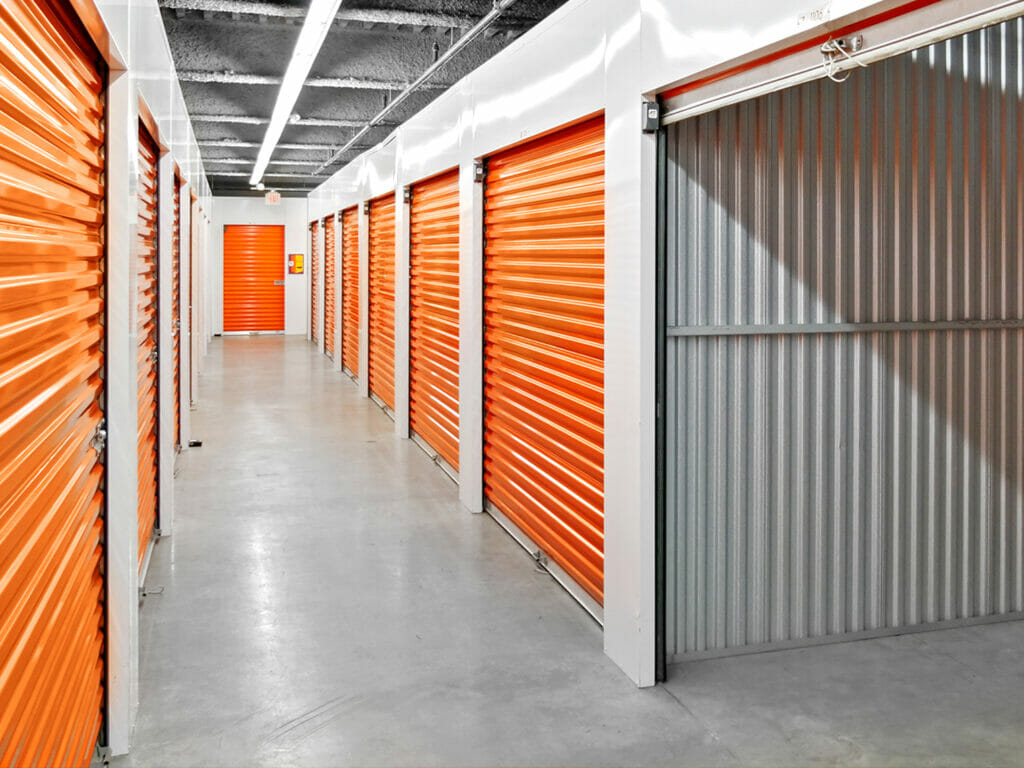
Self-storage is a service that allows individuals and businesses to rent a secure, private space to store their belongings. These storage units are typically found in large facilities that provide a range of sizes, from small lockers to large garage-sized units, to accommodate varying needs. Customers are given access to their storage units, with most facilities offering 24/7 access, meaning that renters can retrieve their stored items whenever necessary.

Key Benefits of Self-Storage

As the demand for storage solutions rises, people are turning to self-storage for several practical reasons:

1. Adaptability for Various Needs

Self-storage units are incredibly adaptable and serve a wide range of purposes. They’re not just for decluttering homes or businesses; people use them for a variety of unique reasons. Whether it's storing items during a renovation, keeping a collection of seasonal goods, or securing personal possessions during a life change, self-storage can meet all these needs and more.

2. Simplifying Life Transitions

Moving homes, starting a new job, or going through a divorce can be stressful, and managing your belongings during these times adds an extra layer of complexity. Self-storage offers a temporary solution for storing your possessions while you transition. This flexibility allows individuals to take their time to organize, plan, and make decisions about what to keep, sell, or donate without the immediate pressure of needing to sort everything out quickly.

3. Business Efficiency

For businesses, self-storage units provide an affordable and efficient way to store inventory, files, equipment, and other essential materials without taking up valuable office space. Small businesses, especially those that deal with seasonal products or those that need extra storage space, can save money by opting for self-storage instead of expanding their commercial premises. It also provides a secure place for documents or sensitive materials that need to be kept for a long time but are not in daily use.

4. Security and Peace of Mind

A major concern for anyone considering storage is security, and self-storage facilities understand this. Many facilities offer state-of-the-art security measures, including surveillance cameras, gated access, on-site security personnel, and alarm systems to ensure that your belongings are safe. Some high-end facilities even offer climate-controlled units to protect delicate items like electronics, antiques, and artwork, adding an extra layer of care for your valuables.

5. Cost-Effective Space Solutions

One of the main reasons people choose self-storage is its affordability. Compared to renting a larger apartment or office, self-storage is an inexpensive option for gaining the extra space needed. Whether you’re storing personal or business items, renting a self-storage unit is generally much cheaper than leasing additional property. It offers flexibility in both pricing and rental duration, making it ideal for short-term or long-term use.

Different Types of Self-Storage Units

Not all storage units are the same, and understanding the different types available is essential to finding the best solution for your needs.

  • Standard Units: These are the most common type of self-storage. They’re typically non-climate-controlled and are ideal for storing general items such as furniture, boxes, and tools that don’t require temperature regulation.

  • Climate-Controlled Units: If you're storing items like electronics, important documents, or antique furniture, climate-controlled units are a must. These units regulate temperature and humidity levels to protect sensitive items from potential damage caused by extreme weather conditions.

  • Drive-Up Units: Drive-up storage units allow you to park your vehicle directly in front of the unit, making loading and unloading quick and convenient. These units are typically used for large or heavy items, such as appliances or equipment.

  • Indoor Units: These units are accessible from within the building rather than directly from the outside, offering added security. Indoor units are ideal for people who want an extra layer of protection for their items.

  • Portable Storage Units: For those who prefer not to travel to a storage facility, portable storage units offer a solution where the storage unit is delivered to your location. You can load it at your convenience, and once you’re done, the company will take it to a secure facility.

How to Choose the Right Self-Storage Facility

Selecting the right self-storage facility is crucial, as it directly impacts the safety and convenience of accessing your stored items. Here are a few tips for choosing the right facility:

  1. Location: A facility near your home or office is essential if you need regular access to your items. However, if you’re only storing things long-term, you can look for cheaper options farther away.

  2. Security: A high level of security is a must. Check if the facility has cameras, access control systems, and security personnel. It's also a good idea to ask about the safety features that protect against unauthorized access to your unit.

  3. Access Hours: Some facilities offer 24/7 access, while others have limited hours. Choose a facility that aligns with your needs for flexibility and ease of access.

  4. Size Options: Ensure that the facility offers units of various sizes. You don’t want to overpay for a unit that’s too large or struggle to fit your items into a unit that’s too small.

  5. Pricing: While price shouldn’t be the only consideration, it's essential to compare rates between facilities. Look for special offers or discounts for long-term rentals, but also weigh the features and location against the cost.

  6. Customer Reviews: One of the best ways to gauge the quality of a 倉庫出租 facility is by checking online reviews. Look for feedback regarding customer service, security, and overall experience.

The Future of Self-Storage

The self-storage industry is evolving, and technology is playing a key role in its transformation. Many facilities now offer app-based access, allowing you to lock and unlock your storage unit using your smartphone. Other advancements include the development of smart lockers, temperature-controlled units with real-time monitoring, and even virtual inventory management systems.

As urbanization continues to rise, self-storage will likely become even more essential. It offers a flexible solution for individuals and businesses in crowded cities where space is at a premium. With the increasing shift toward a more mobile lifestyle, people will continue to rely on self-storage to manage their belongings in a way that supports their dynamic and fast-paced lives.

Conclusion

Self-storage is a modern solution to the age-old problem of finding extra space. Its convenience, affordability, and security make it an attractive option for individuals and businesses alike. Whether you're in the middle of a move, expanding your business, or simply need a place to store your seasonal items, self-storage offers a flexible, cost-effective solution that meets a wide range of needs. As it continues to adapt to the demands of modern life, self-storage will remain an essential part of how we manage and organize our belongings.


Group Shipping: A Game-Changer in Modern LogisticsGroup Shipping: A Game-Changer in Modern Logistics

Group shipping is a logistics strategy that involves consolidating multiple shipments from various senders into a single transportation unit. This method is widely adopted by businesses seeking to reduce costs, optimize shipping efficiency, and promote sustainability. As supply chain demands evolve, group shipping continues to revolutionize logistics by providing a smarter way to transport goods.

Key Benefits of Group Shipping

  1. Cost-Effective Shipping
    Sharing transportation resources lowers expenses, making shipping more affordable for businesses and consumers alike.

  2. Improved Delivery Efficiency
    Consolidating shipments allows for optimized routing, reducing transit times and enhancing supply chain performance.

  3. Sustainable Logistics Solution
    Fewer individual shipments mean reduced fuel consumption and lower carbon emissions, contributing to environmental conservation.

  4. Optimized Cargo Space Utilization
    Maximizing container or truck capacity prevents waste and ensures more efficient freight movement.

Challenges of 集運收費

  1. Complex Shipment Coordination
    Managing multiple shipments requires precise planning and effective communication among different parties.

  2. Limited Flexibility
    Pre-scheduled group shipments may not be ideal for urgent or time-sensitive deliveries.

  3. Possible Delays
    Delays in one shipment could impact the entire group, affecting delivery timelines.

Best Practices for Effective Group Shipping

  1. Partner with a Reputable Logistics Provider
    Choosing experienced shipping companies ensures reliability and smooth operations.

  2. Leverage Digital Tracking Systems
    Real-time tracking enhances visibility, allowing businesses to monitor shipments and plan accordingly.

  3. Schedule Shipments in Advance
    Early planning maximizes consolidation opportunities and minimizes last-minute disruptions.

  4. Ensure Secure Packaging and Proper Labeling
    Well-packaged and clearly labeled shipments help prevent damages and confusion during transit.

Conclusion

Group shipping is an innovative logistics solution that offers cost savings, efficiency, and environmental benefits. While it comes with some challenges, businesses can overcome them through strategic planning and collaboration with reliable logistics partners. As e-commerce and global trade expand, group shipping remains a powerful tool for optimizing supply chains and delivering goods more effectively.

The Ultimate Guide to Pet Health: Ensuring a Happy and Healthy Life for Your PetThe Ultimate Guide to Pet Health: Ensuring a Happy and Healthy Life for Your Pet

As pet owners, we want nothing but the best for our beloved companions. Maintaining optimal pet health is crucial to ensuring they live long, joyful lives. From proper nutrition to preventative healthcare, a comprehensive approach to pet wellness can significantly impact their longevity and quality of life. In this guide, we cover everything you need to know about pet health, including nutrition, exercise, disease prevention, and veterinary care.


1. Proper Nutrition for Pets

Choosing the Right Diet for Your Pet

A balanced diet is the foundation of good health for any pet. Whether you own a dog, cat, rabbit, or bird, each species has unique dietary needs.

  • Dogs: Require a diet rich in proteins, fats, vitamins, and minerals. Look for high-quality dog food that contains real meat as the first ingredient.

  • Cats: Being obligate carnivores, cats need a protein-heavy diet. Taurine, an essential amino acid, must be included in their meals.

  • Small Animals (Rabbits, Guinea Pigs, etc.): Need a diet rich in fiber. Hay should make up the majority of their food intake.

  • Birds: Require a mix of seeds, fresh fruits, vegetables, and pellets to maintain optimal health.

Common Food to Avoid

Some foods are toxic to pets and should be strictly avoided, including:

  • Chocolate (toxic to dogs and cats)

  • Grapes and Raisins (can cause kidney failure in dogs)

  • Onions and Garlic (damages red blood cells in cats and dogs)

  • Xylitol (artificial sweetener that can cause hypoglycemia in dogs)

  • Dairy Products (many pets are lactose intolerant)


2. Regular Exercise and Mental Stimulation

Keeping your pet active is essential for both their physical and mental well-being.

Dogs

  • Require at least 30 minutes to 2 hours of exercise daily, depending on the breed.

  • Activities like walking, running, swimming, and interactive play help prevent obesity and joint problems.

Cats

  • Encourage activity through climbing trees, scratching posts, and interactive toys.

  • Laser pointers and puzzle feeders keep cats entertained and mentally stimulated.

Small Animals & Birds

  • Provide ample space to move and toys for stimulation.

  • Birds benefit from out-of-cage flight time in a safe environment.


3. Preventative Healthcare for Pets

Routine Veterinary Check-Ups

Regular visits to the veterinarian ensure early detection of health issues.

  • Puppies and kittens should have frequent vet visits in their first year.

  • Adult pets need a yearly wellness exam.

  • Senior pets (7+ years) should have bi-annual check-ups.

Vaccination Schedule

Vaccines protect pets from serious diseases. Common vaccines include:

  • Dogs: Rabies, Parvovirus, Distemper, Bordetella.

  • Cats: Feline Leukemia, Calicivirus, Panleukopenia.

Flea, Tick, and Parasite Prevention

External and internal parasites pose serious risks to 狗心臟病 . Prevent infestations with:

  • Monthly flea and tick treatments (topical or oral medications)

  • Heartworm preventatives for dogs and cats

  • Regular deworming for pets prone to parasites


4. Common Health Issues in Pets and How to Prevent Them

Obesity

Obesity is one of the most common health problems in pets. It can lead to diabetes, arthritis, and heart disease.

  • Feed pets appropriate portions based on their size and breed.

  • Avoid excessive treats and table scraps.

  • Engage pets in daily exercise.

Dental Health

Poor dental hygiene can result in serious conditions like periodontal disease and infections.

  • Brush your pet’s teeth daily with pet-friendly toothpaste.

  • Provide dental chews and toys.

  • Schedule annual dental cleanings with your vet.

Skin and Coat Problems

  • Regular grooming helps detect skin infections, parasites, and allergies.

  • Feed a diet rich in omega-3 fatty acids to promote a healthy coat.

  • Bathe pets with gentle, pet-safe shampoos.

Arthritis and Joint Issues

Older pets, especially large dog breeds, are prone to arthritis.

  • Maintain a healthy weight to reduce stress on joints.

  • Provide joint supplements containing glucosamine and chondroitin.

  • Use orthopedic beds and ramps to ease movement.


5. Pet Grooming and Hygiene

Proper grooming is essential to maintain cleanliness and overall health.

Bathing and Brushing

  • Dogs: Bathe every 4-6 weeks and brush coats weekly.

  • Cats: Generally self-cleaning, but long-haired breeds benefit from regular brushing.

  • Small Pets: Ensure clean bedding and habitats to prevent infections.

Ear and Eye Care

  • Clean ears with vet-approved ear cleaners to prevent infections.

  • Wipe around the eyes to prevent tear stains and infections.

Nail Trimming

  • Trim nails every 2-4 weeks to prevent discomfort and injury.


6. Creating a Safe and Comfortable Environment for Pets

Pet-Proofing Your Home

Ensure a safe living space by removing hazards such as:

  • Toxic plants (e.g., lilies, sago palm, poinsettia)

  • Small objects that pose a choking hazard

  • Electrical cords that pets might chew on

Providing a Stress-Free Environment

Pets thrive in calm, predictable surroundings. Minimize stress by:

  • Establishing a routine for feeding, play, and rest

  • Offering a quiet, cozy retreat for relaxation

  • Using calming products like pheromone diffusers or anxiety wraps


Conclusion

Caring for your pet’s health and well-being requires a proactive approach. By focusing on proper nutrition, regular exercise, preventative care, and a safe environment, you can ensure your furry friend lives a long, happy, and healthy life. Always consult with a veterinarian for personalized pet care recommendations.

The Guide to Choosing the Best Furniture for Your Home and OfficeThe Guide to Choosing the Best Furniture for Your Home and Office

Selecting the right furniture is essential for creating a comfortable and stylish living or working environment. From functional office desks to luxurious sofas, the choices are endless. Whether you're redecorating your home or setting up a new office, investing in premium furniture ensures durability, elegance, and optimal functionality.

Why Quality Furniture Matters

Investing in high-quality furniture offers numerous benefits, including:

  • Enhanced Comfort: Ergonomically designed furniture ensures maximum comfort and support.

  • Aesthetic Appeal: Stylish and well-crafted pieces enhance the overall ambiance.

  • Durability: Premium materials provide longevity and withstand daily wear and tear.

  • Property Value Boost: Elegant furniture contributes to increased property value.

Types of Furniture for Different Spaces

1. Living Room office furniture hong kong

The living room is a central space where families gather and entertain guests. Key pieces include:

  • Sofas & Sectionals: Available in leather, fabric, and modular designs.

  • Coffee Tables: Essential for functionality and style.

  • Entertainment Units: Organize electronics while adding sophistication.

  • Accent Chairs: Perfect for additional seating and aesthetic enhancement.

2. Bedroom Furniture

A well-furnished bedroom promotes relaxation and better sleep. Must-have items include:

  • Beds & Bed Frames: Choose from wooden, upholstered, or metal frames.

  • Wardrobes & Closets: Store clothing and accessories efficiently.

  • Nightstands & Dressers: Offer convenience and extra storage.

  • Mattresses: Essential for a restful and comfortable sleep.

3. Dining Room Furniture

A well-designed dining area enhances family meals and gatherings. Essential pieces include:

  • Dining Tables: Available in wood, glass, and marble finishes.

  • Dining Chairs: Comfortable and stylish seating options.

  • Buffets & Sideboards: Provide additional storage for dining essentials.

4. Office Furniture

A productive workspace depends on the right office furniture, such as:

  • Desks: Executive, minimalist, and ergonomic desks.

  • Office Chairs: Designed for comfort and spinal support.

  • Storage Cabinets: Keep documents and supplies organized.

5. Outdoor Furniture

Transform your garden, patio, or balcony with stylish outdoor furniture:

  • Lounge Chairs & Sofas: Weather-resistant and comfortable.

  • Dining Sets: Ideal for outdoor meals and gatherings.

  • Shade Solutions: Umbrellas and pergolas for sun protection.

How to Choose the Best Furniture

1. Assess Your Space

Ensure that the furniture you choose fits seamlessly within your available space.

2. Consider Material & Build Quality

Opt for solid wood, metal, or high-quality upholstery for durability and aesthetics.

3. Focus on Comfort

Ergonomic designs provide better support and enhance user experience.

4. Match Your Style

Select furniture that complements your interior design, whether modern, rustic, or minimalist.

5. Choose Sustainable Options

Eco-friendly furniture made from sustainable materials supports environmental conservation.

Top Furniture Trends of the Year

  • Minimalist Design: Clean lines and neutral tones are highly popular.

  • Multi-Functional Furniture: Smart designs with built-in storage.

  • Sustainable Materials: Reclaimed wood and eco-friendly fabrics.

  • Vintage & Retro Styles: Nostalgic designs making a comeback.

Where to Buy Premium Furniture

For top-quality furniture, choose reputable suppliers like Ekobor Furniture, offering a wide range of modern and classic pieces.

Conclusion

Investing in the right furniture significantly enhances your home or office space. From timeless wooden pieces to contemporary ergonomic designs, high-quality furniture ensures comfort, durability, and elegance. Whether revamping your living room or upgrading your workspace, the right selections can make all the difference.