
The Hereafter Of Aluminum Production: Innovation And Sustainability
Aluminum has long been a cornerstone of Bodoni font industry, valued for its whippersnapper, durable, and -resistant properties. From airplanes and automobiles to promotion and construction, it plays a essential role in shaping our earth. However, orthodox aluminum product has been vitality-intensive and environmentally stimulating. As industries world-wide face growing pressure to reduce carbon paper footprints, the hereafter of aluminium product lies in innovative technologies and sustainable practices. The next multiplication of Al manufacturing is being outlined by cleaner vitality sources, throwaway economy models, and whole number advancements that anticipat to transmute the sphere into a more responsible and efficient industry.
The atomic number 13 product work traditionally involves two main stages: alumina purification and aluminium smelting. The refinement work on extracts aluminium oxide from bauxite ore, and the smelting process uses the Hall-H roult method acting to convert aluminium oxide into pure atomic number 13 metal. Both processes waste significant amounts of electricity, much of which has historically been generated from dodo fuels. This dependence has made aluminium one of the more carbon paper-intensive metals to produce. However, rising innovations are set to revolutionise this position quo by introducing renewable energy, new smelting technologies, and recycling systems that drastically cut emissions.
One of the most promising developments in sustainable Al product is the use of renewable energy sources to power smelters. Hydropower has already been used for decades in some regions, but the futurity points toward even broader integrating of star, wind, and energy energy. Several companies are investment heavily in putting green aluminium initiatives, where the entire production work on is battery-powered by clean . This shift not only lowers emissions but also enhances the long-term worldly stableness of producers, as inexhaustible vitality carry on to decline. As energy grids become greener, the atomic number 13 manufacture will be able to reduce its reliance on fogey fuels and align more closely with world decarbonization goals.
Another groundbreaking ceremony innovation is the of carbon-free smelting technologies. Traditional smelting relies on carbon anodes, which emit carbon paper dioxide as a byproduct. New approaches, such as the ELYSIS process developed by Alcoa and Rio Tinto, supercede these with inert anodes that emit atomic number 8 instead of carbon dioxide. This excogitation represents a John Major leap forward, possibly eliminating point greenhouse gas emissions from the smelting process raw. The borrowing of such engineering science could make atomic number 13 one of the first heavy-duty metals with a near-zero carbon paper production tract. Although large-scale carrying out stiff in come on, the potentiality bear upon on global emissions is considerable.
Recycling also plays a crucial role in shaping the sustainable futurity of atomic number 13. Unlike many other materials, atomic number 13 can be recycled indefinitely without losing quality. Producing secondary aluminium metallic element made from recycled trash requires only about 5 of the vitality needful for primary product. This vim makes recycling one of the most operational ways to reduce state of affairs touch. The take exception lies in rising ingathering, sort, and recycling systems to assure that more aluminum products are recovered after use. Companies and governments are investing in advanced recycling technologies and bill economy programs that keep atomic number 13 in persisting use, minimizing the need for new raw material extraction.
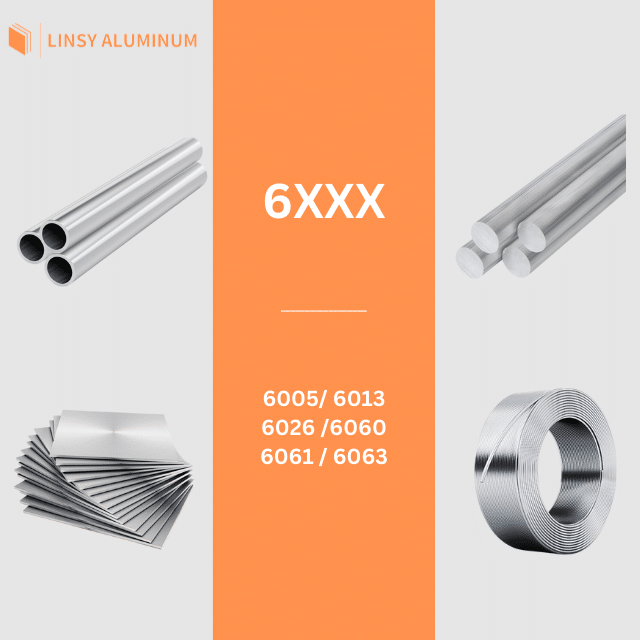
Digitalization and fake intelligence are also transforming the 6060 Aluminum manufacture. Smart manufacturing systems use sensors, data analytics, and machine scholarship to optimise vitality consumption, improve work efficiency, and promise upkee needs. These digital tools help reduce waste, heighten production tone, and step-up work transparency. For example, prophetic analytics can place inefficiencies in smelting operations and advise adjustments in real time, rescue both energy and . As the industry becomes more data-driven, producers can make better-informed decisions that ordinate with sustainability goals and market demands.
Moreover, sustainability in atomic number 13 production extends beyond energy and emissions. Responsible sourcing of bauxite, irrigate management, and community engagement are more and more probative components of a property provide chain. Mining trading operations are being reimagined with greater environmental sensitivity, accentuation land rehabilitation and biodiversity tribute. Companies are adopting stricter sustainability standards and enfranchisement programs, such as the Aluminium Stewardship Initiative(ASI), which promotes ethical and transparent practices throughout the value . These efforts help assure that Al product supports not only state of affairs goals but also sociable and economic in local anaesthetic communities.
As worldwide demand for atomic number 13 continues to rise impelled by the electric car vehicle commercialise, inexhaustible vitality infrastructure, and urbanization the pressure to produce it sustainably will only step up. Electric vehicles, for exemplify, rely heavily on lightweight materials like aluminum to ameliorate and range. Similarly, star panels, wind turbines, and superpowe transmittance lines all need big amounts of aluminum. The take exception for the manufacture is to meet this growth demand without vulnerable environmental integrity. Through invention, quislingism, and investment funds, atomic number 13 producers are placement themselves to materials that are both high-performing and low-carbon.
In termination, the time to come of aluminum product is one of shift and opportunity. The manufacture is moving from a traditionally vim-intensive model toward one vegetable in innovation, inexhaustible vim, and throwaway thriftiness principles. Technologies such as inert anode smelting, digital optimization, and sophisticated recycling are redefining what is possible, making atomic number 13 product and more effective than ever before. As these innovations mature and surmount up, aluminium has the potency to become a simulate for sustainable heavy-duty proving that come on and responsibleness can go hand in hand. The future of atomic number 13 is bright, whippersnapper, and remarkably putting green.